THE SELF GAUGE: DESIGNING FOR WELLBEING
TARGET AUDIENCE
Teenagers between 12-18yrs facing self harming tendencies
PARTICIPANTS
19 teenagers | 17 end users | 3 Adolescent counselors | 1 child graphologist | 1 psychotherapist.
Problem
Around 13.2% of college students in Indian urban cities resort to cutting or carving skin as a form of intentional self-harm ,with significant long-term implications on personal and social well-being.
Solution Approach
Main Goal is to enable users to gain a deeper understanding of their emotional patterns and cultivate healthier coping mechanisms, addressing a significant market gap and supporting individuals on their path to recovery.
EXPLORATION
Secondary Insights
Causes of Self harm
Emotional Outlet
Teens may resort to self-harm to express and manage overwhelming emotions, often as a response to feeling misunderstood or criticized by peers and family.
Unmet Expectations
Unmet expectations and intense frustration can lead to self-harm as a coping mechanism.
Habitual Coping Mechanism
Over time, this behavior can become habitual and compulsive, providing temporary relief from emotional distress and creating a challenging cycle to break.

desigN process
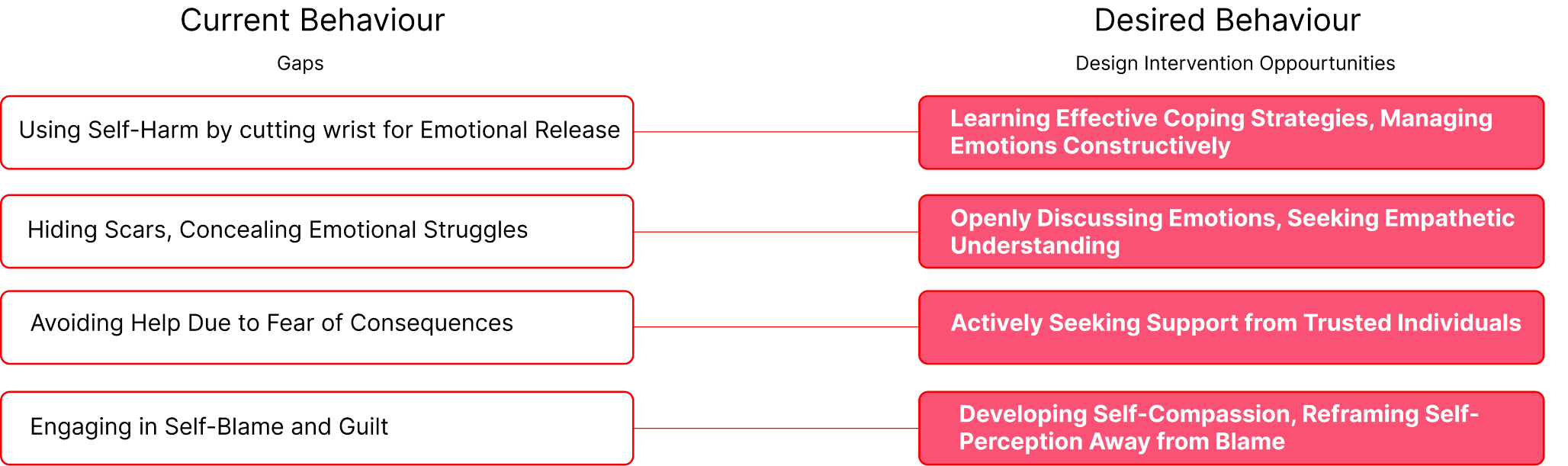
Understanding the ‘Immediate relief’ mindset
Self harm As a negative habitual coping mechanism
PAIN POINTS
The weight of expectations leads to immense emotional stress and a feeling of being trapped.
COPING STRATEGIES
Withdrawal from social interactions as a way to deal with emotional turmoil.
Can’t express and represses anger leading to self harm
PAIN POINTS
Feelings of frustration, anger, and emotional distress build up due to suppressed emotions and unresolved conflicts.
COPING STRATEGIES
Avoiding confrontations or difficult conversations to prevent further conflict.
Want distraction/Instant relief from emotional pain leading to self harm

PAIN POINTS
High expectations from parents and teachers create immense stress and a sense of inadequacy.
COPING STRATEGIES
Bottling up emotions due to the inability to express herself openly or seek support.
Primary Insights
Feeling misunderstood, peer/family criticism, and unmet expectations are key anger triggers in teens.
Teen coping mechanisms for anger control may evolve into lifelong compulsive behaviors.
Teens, fearing judgment, may resort to self-harm as an alternative emotional outlet
Teens, when overwhelmed by even minor triggers, resort to self-harm as a habitual coping mechanism.
Teens can’t express and represses anger due to strict parents leading to self harm.
Teens often resort to self-harm as a distressing yet immediate method to seek relief from emotional pain.
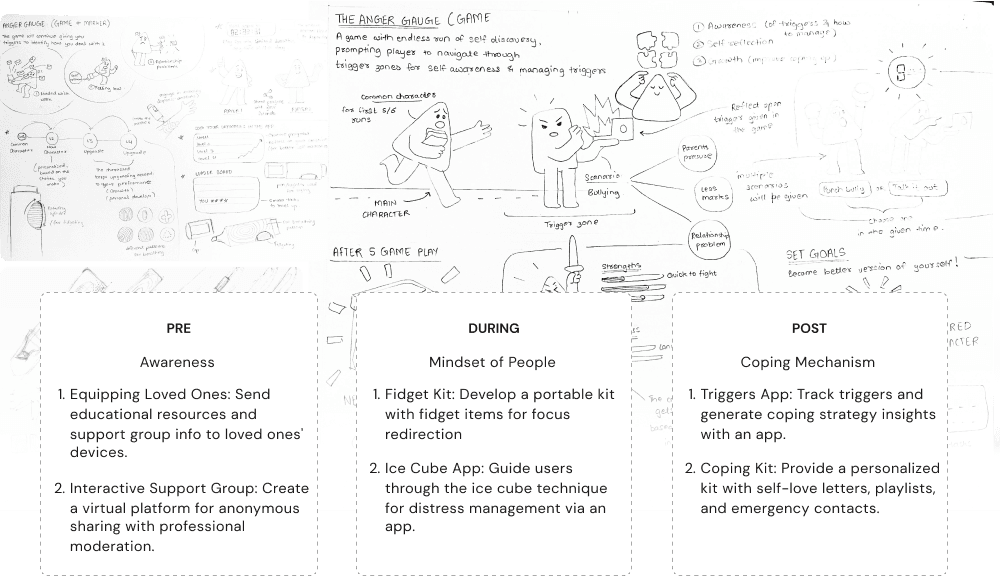
PROTOTYPING
Conceptualization
FINAL SOLUTION
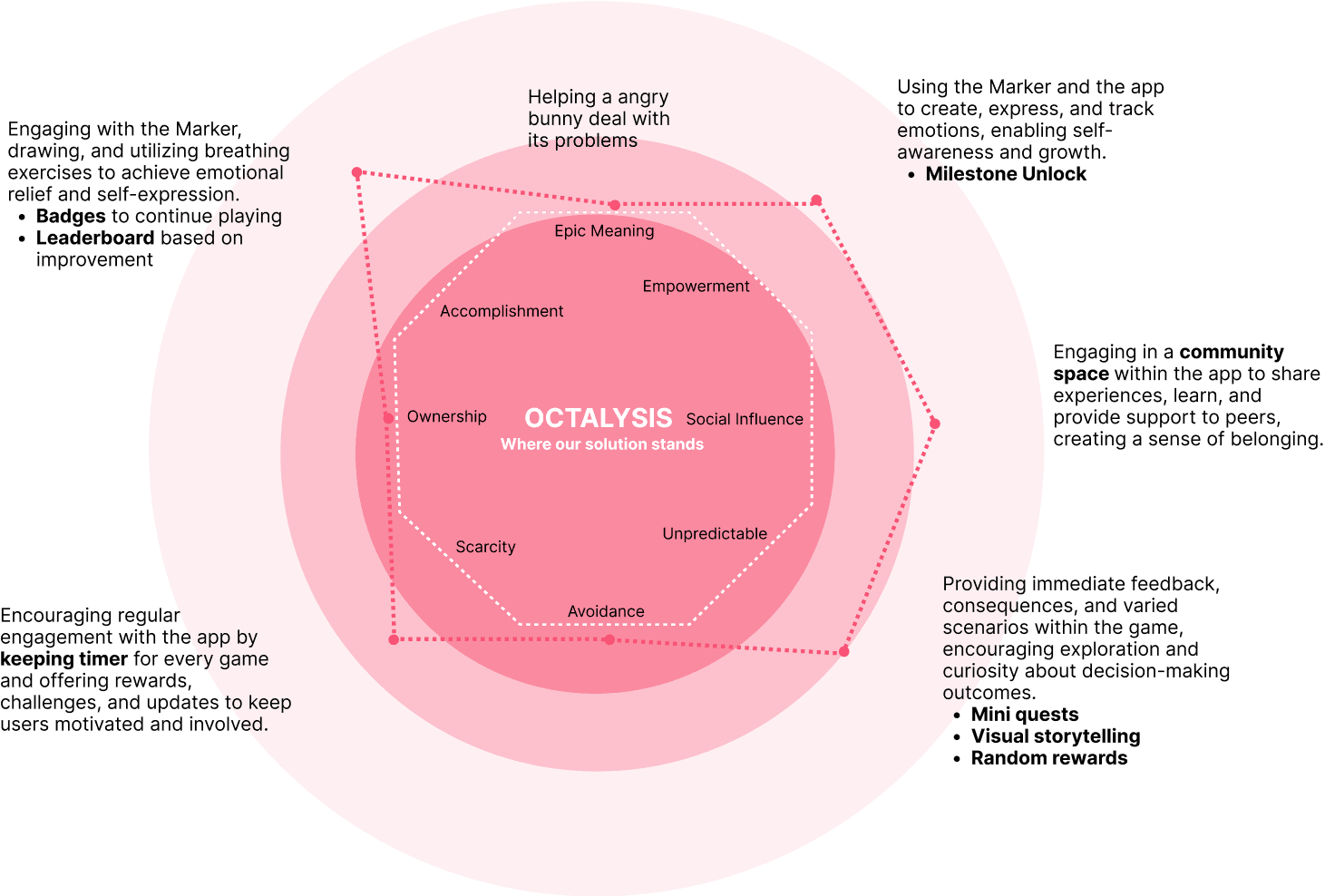
Breaking The Chain
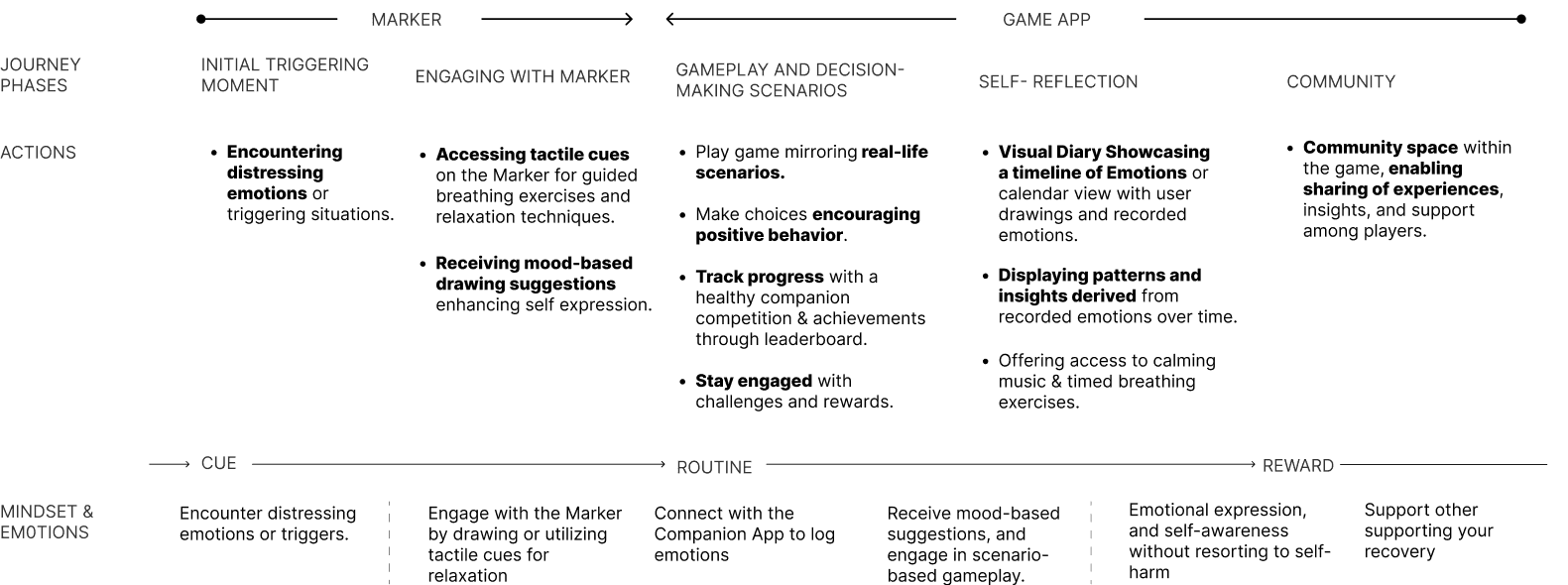
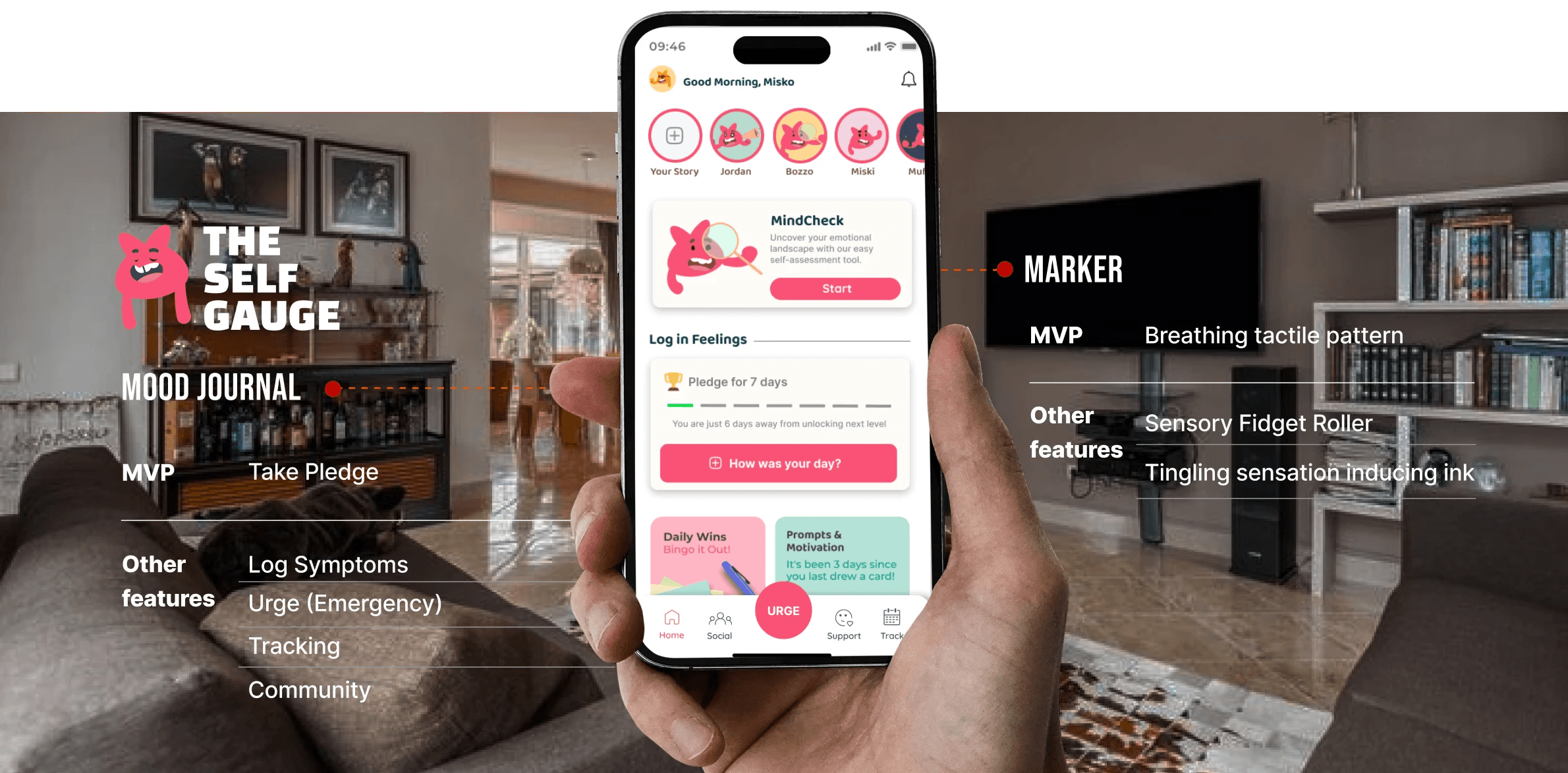


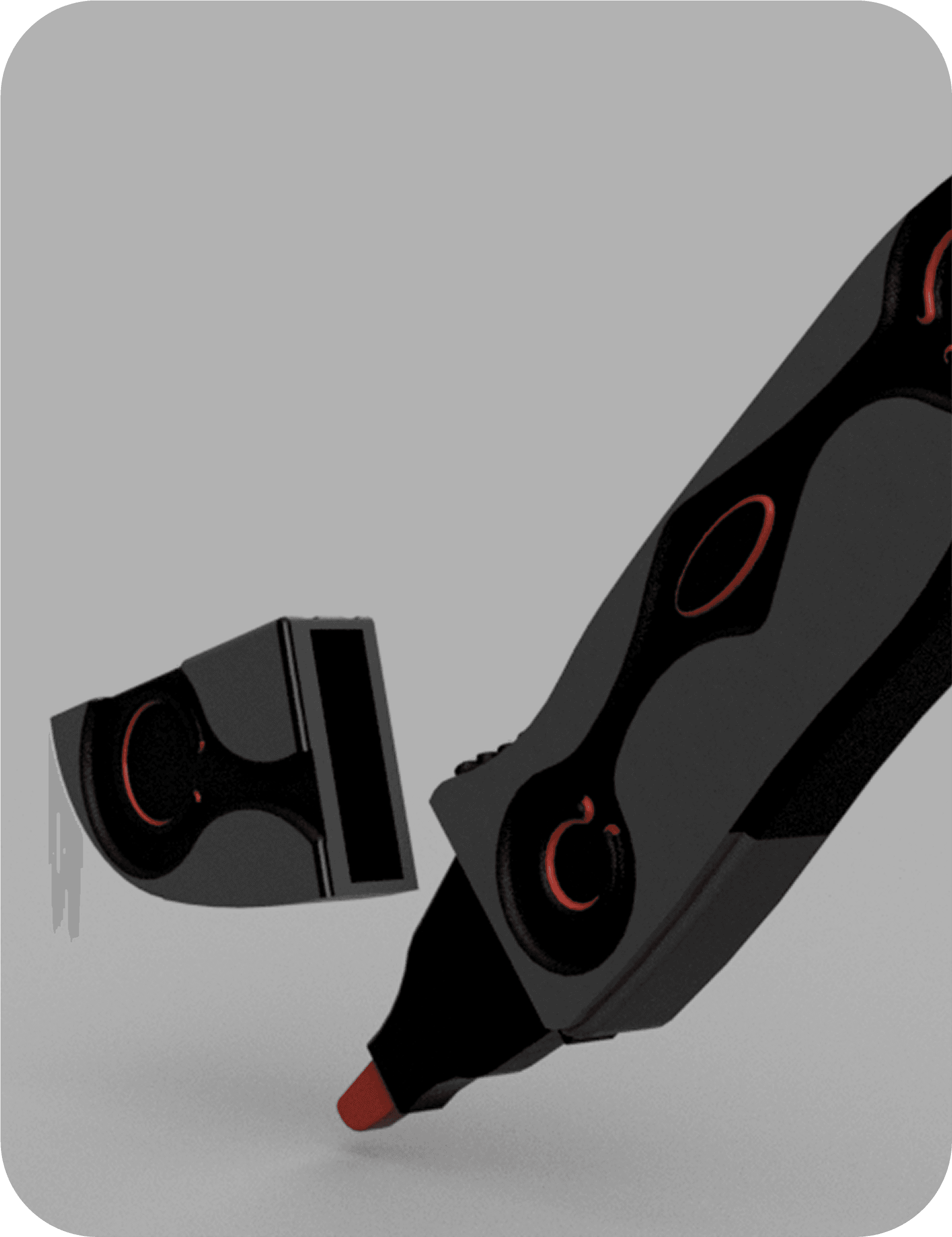
Tactile Breathing Patterns
A textured surface on the marker guides users through a 4-step breathing cycle (breathe in, hold, breathe out), helping to calm them during emotional distress through a physical, grounding routine.
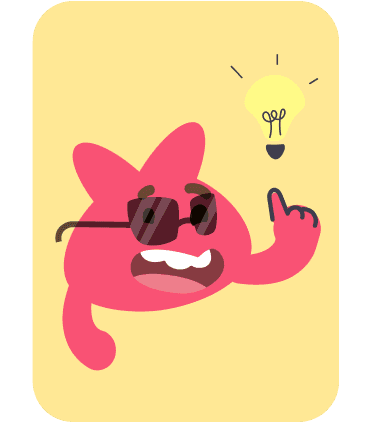



Anonymous Community Support
A built-in community space in the app allows users to share their feelings anonymously, engage in discussions, and receive peer support reducing isolation and reinforcing emotional safety.
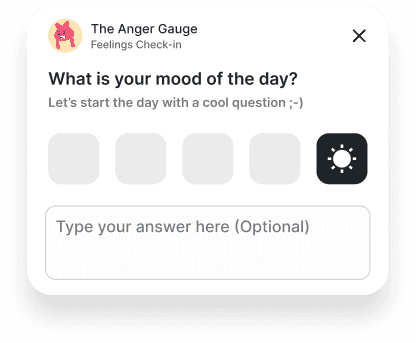
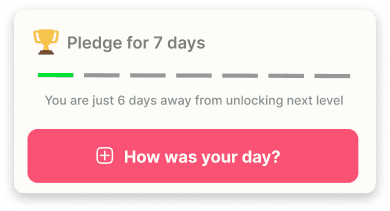
A nudge when you need it most.
Get soft, mindful reminders to pause, breathe, and take a moment for yourself, without the pressure.
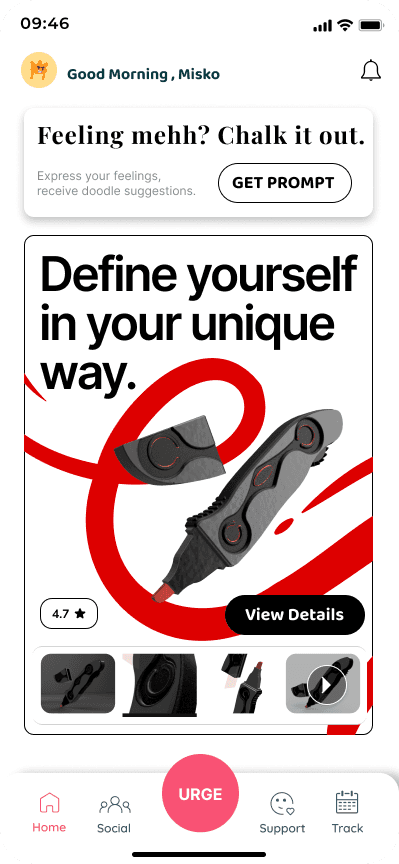

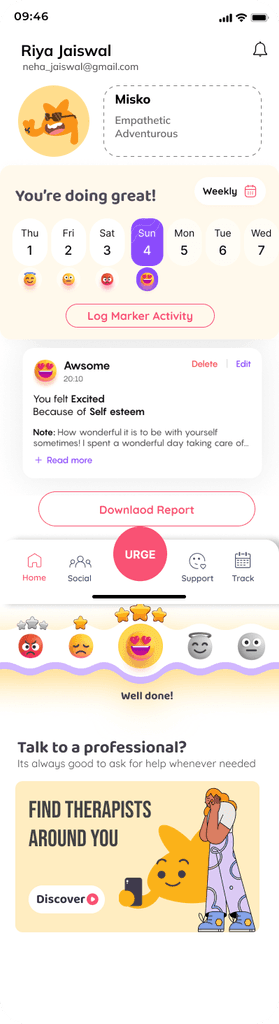
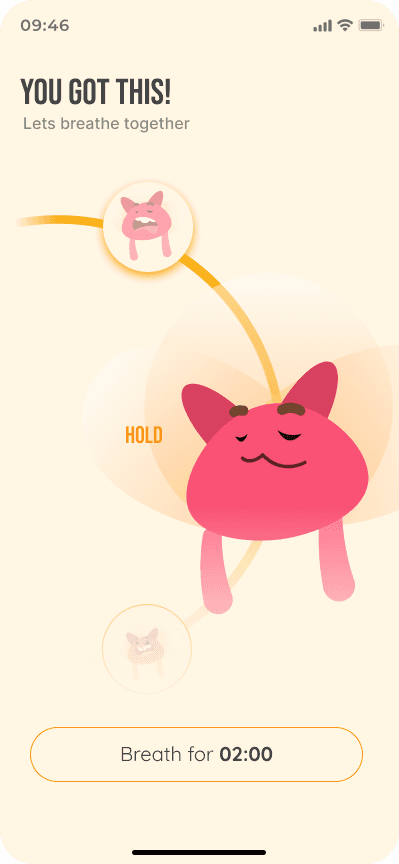
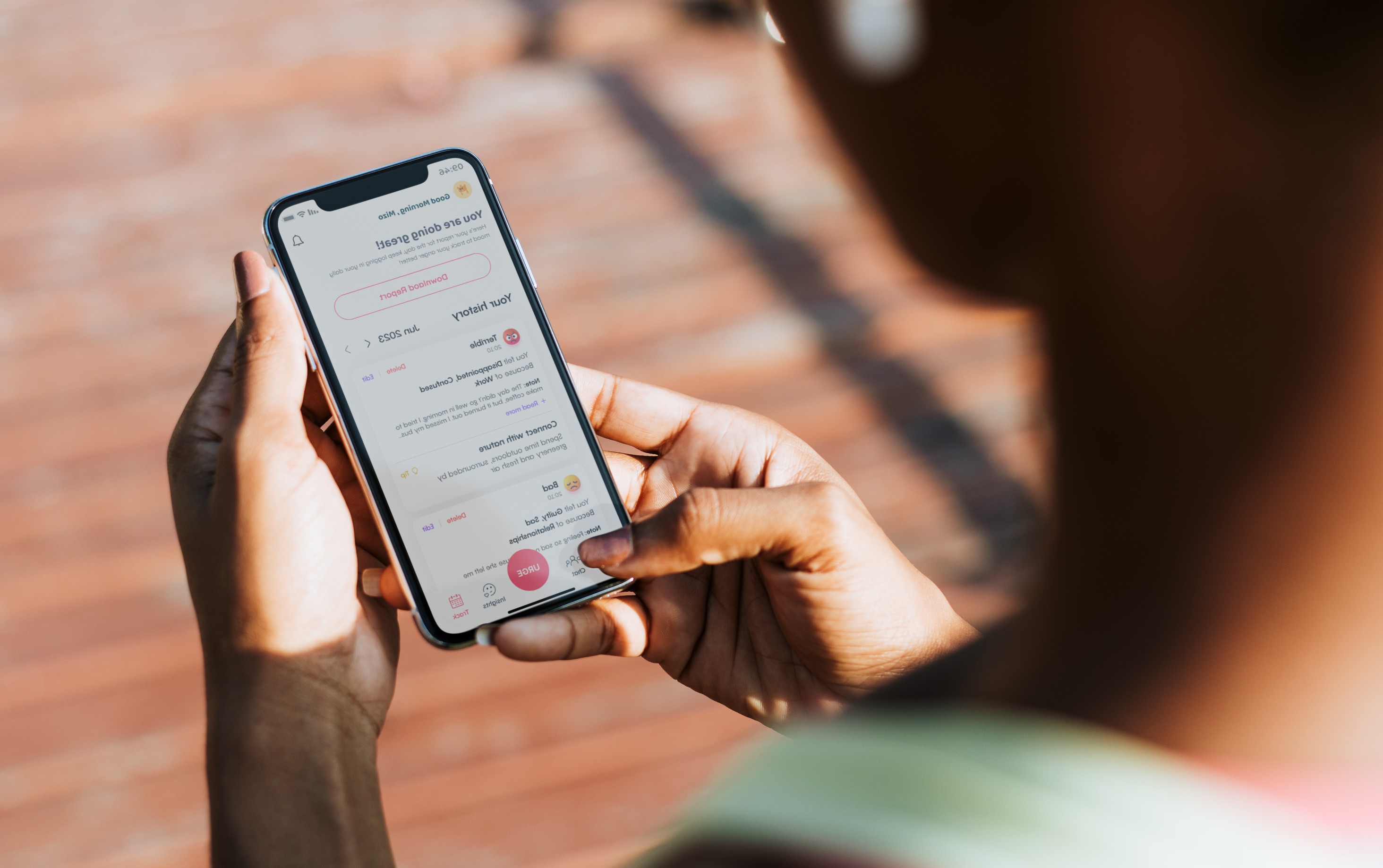
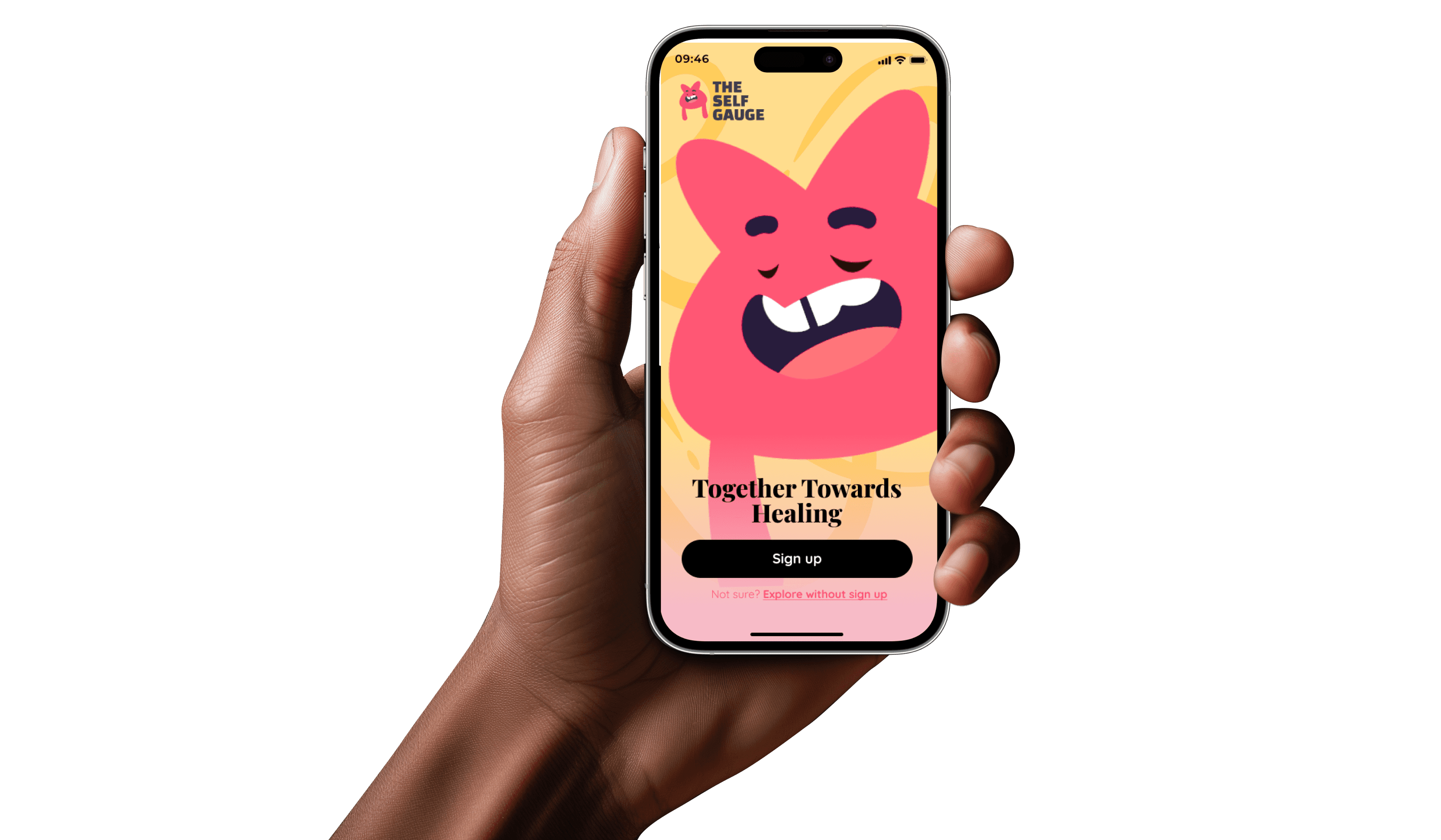
The companion app offers daily emotional logging, which helps identify triggers, and coping strategies like drawing prompts or breathing cues to redirect harmful impulses.
In-App Mood Logging and Coping Prompts